Shield AI president: Up to 99% of today's autonomous military systems fail in GPS-denied environments
NewsMay 20, 2026

TAMPA, Florida. The head of Shield AI says that operating in GPS-denied environments remains a top challenge for the autonomous military systems industry, arguing that the vast majority of autonomous systems on the market cannot function in the communications-jammed environments that define modern battlefields.
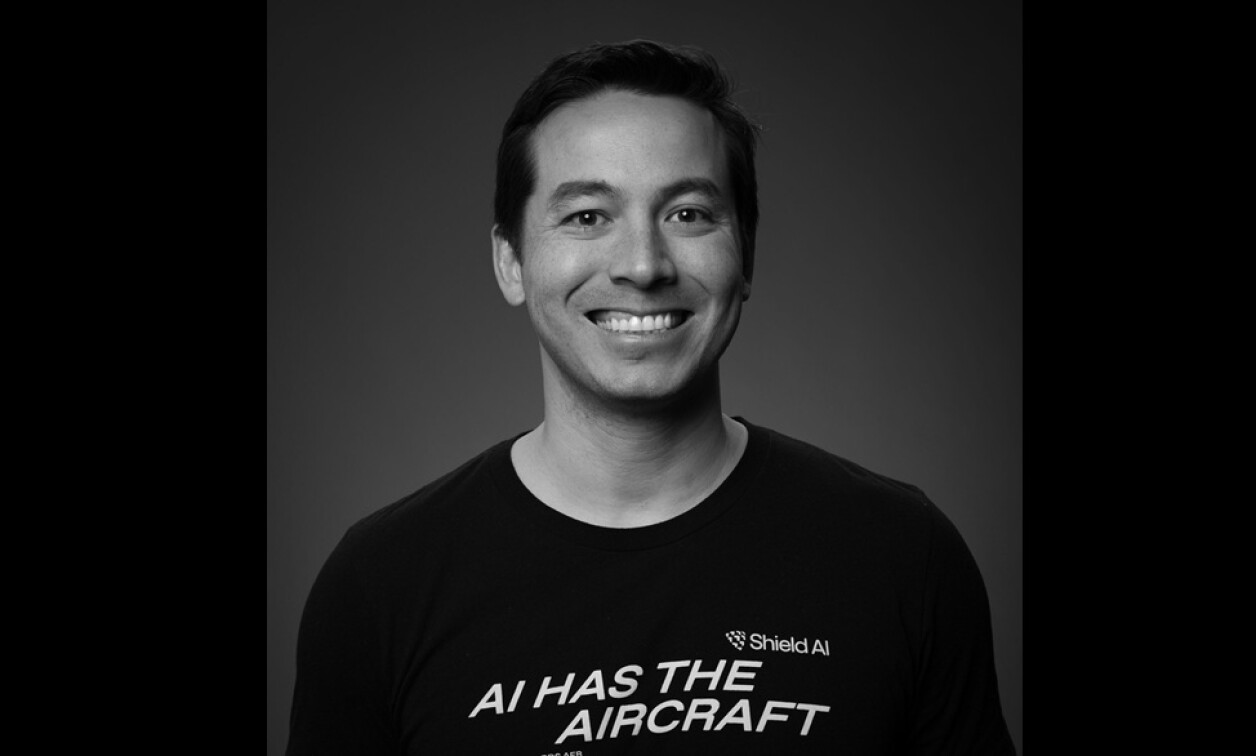
"The truth of the matter is the vast majority, if not 99% of our military systems, fail when GPS and communications are jammed," said Brandon Tseng, Shield AI's president and co-founder, in an interview with Military Embedded Systems at SOF Week. "AI pilots solve that."
Tseng said other companies fall short when pressed for evidence. "Go ask them to show me the past 10 missions that they did in Ukraine, and they'll be like, 'Well, we don't operate in Ukraine because there's no money there,'" he said. "Go show me the past 10 operations and storyboards that you did in Iran that were successful."
Tseng also argued that despite tactical differences, the Ukraine and Iran conflicts present essentially the same electronic warfare environment -- GPS jamming, communications jamming, high surface-to-air missile threats, and mass one-way attack drones on both sides -- making them a common proving ground for autonomous systems claims.
Shield AI is pitching its Hivemind AI pilot, which it claims can operate without GPS or communications links. Tseng said he expects AI-piloted swarms of 20 to 100 platforms to become a battlefield norm within five years.