Special Operations and drone tech
BlogMay 19, 2026

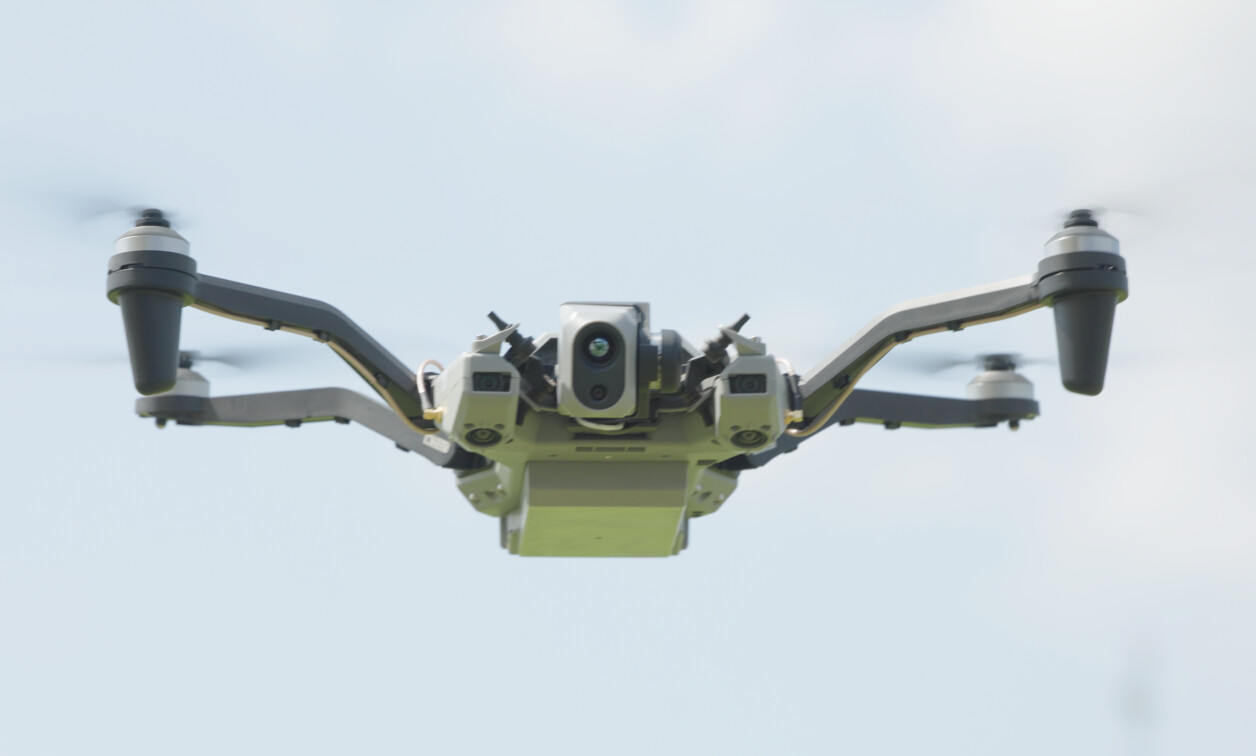
The fastest growing part of the SOF Week exhibits floor over the last few years has been companies focused on autonomous systems – air, ground, and sea – many carrying artificial intelligence (AI) solutions. The 2026 event, for which we are again the Official Show Daily and Show Guide producer and where this issue is distributed, promises even more growth in these areas.
First-person view (FPV) drones in particular have become force multipliers for Special Forces units.
“I don't know of any Special Forces that aren't using FPV,” Jeff Thompson, founder and CEO of Red Cat Technologies, stated in the keynote session of our April Autonomous Systems Virtual Conference. “They're fast. They're quick. You can use [them] kinetically.
“Nighttime activity is also critical to Special Operations,” he continued. “Almost all the drones just a few years ago were not made for nighttime use. That's where 90%-plus of the missions are done. Keeping people out of harm's way or getting as much information [as possible], so they can actually have a very much easier mission – being completely knowledgeable of where the enemy is, what it looks like inside that building, once you break into it with an FPV drone. The information is just priceless for a warfighter.
“The small units can really make use of these [drones], especially if they're behind enemy lines and things like that,” Thompson noted.
During the session, he and I also discussed payloads and the technology requirements for the payloads and the missions: Sometimes the mission will determine the payload, if not all the time
“We listen to our operators,” Thompson said. “That's the best way to come up with payloads. If you let engineers make the payloads they're going to come up with something really cool. And the technology is insane, but might be 100% useless for the actual operator. So we have stopped taking the feedback from that world and now we get direct feedback from the operators – literally. The people in Ukraine have access to our engineers in Salt Lake City, so we get that feedback immediately.”
Modularity is critical for refreshing drone technology in the field, as it cuts down on replacement time, enabling operators to get their technology back into the field more quickly, he said.
Many drones “are not modular [and] do not let anyone bolt what they want onto it. So, the Army or the Marines will get stuck with something that they can only use from that vendor, or they'll only let them fix it and things of that nature.
“Our [drone] arms are replaceable, so if you crash, you don't have to send it back,” he added. “You can fix the arm [yourself]. The camera is [also] modular, so if you break the camera, you don't have to throw the drone away like they have to do with the Mavics drones in Ukraine. You can put a new camera on there.
“Some other things that we've been really focusing on is having a daytime-only camera, so you don't have to worry about having the extra thermal stuff on it. Then we have a thermal-only version, for nighttime, so you can just snap on what you really need to do.
“These modular payloads are so important. There's just so many different ways that you can make your device more useful to the warfighter by letting them come up with an idea and maybe bolt something onto your drone.”
Many people have called the war in Ukraine the first drone war – Thompson addressed that in the keynote. The phrase “came out of a lot of folks in Ukraine, but it is really drone against drone there. And [recently] the Ukrainians actually took a position away from the Russians, using ground vehicles and air vehicles with no humans involved whatsoever. So, yeah, they've been actually taking land with just robots.
“In Ukraine, in Iran, and in Gaza it’s mostly robots against robots,” he continues. “When I say robots, people say drones. But we say drones, they always think they just fly. We have our boats that are drones. There’s no humans. There's torpedoes that are drones. There's all these different things that are drones. Some are just drones, some are autonomous, and some are driven by FPV. But it is literally drone against drone.”
To listen to the full discussion with Thompson during the Autonomous Systems Virtual Conference, please visit https://tinyurl.com/mwjmf2hy. Red Cat will also be at SOF Week – May 18-21 in Tampa – at Booth 2338. Check out their Teal Drones Black Widow short-range reconnaissance drone, the FlightWave Edge 130 extended short-range uncrewed aerial system, and the BlueOps Variant 7 uncrewed surface vessel.
For all our SOF Week coverage, visit www.militaryembedded.com/SOFWEEK and if you’re aattending, check out Show Daily coverage in your inbox.