FACE conformant software framework from Qt Group launches new version
NewsAugust 27, 2025

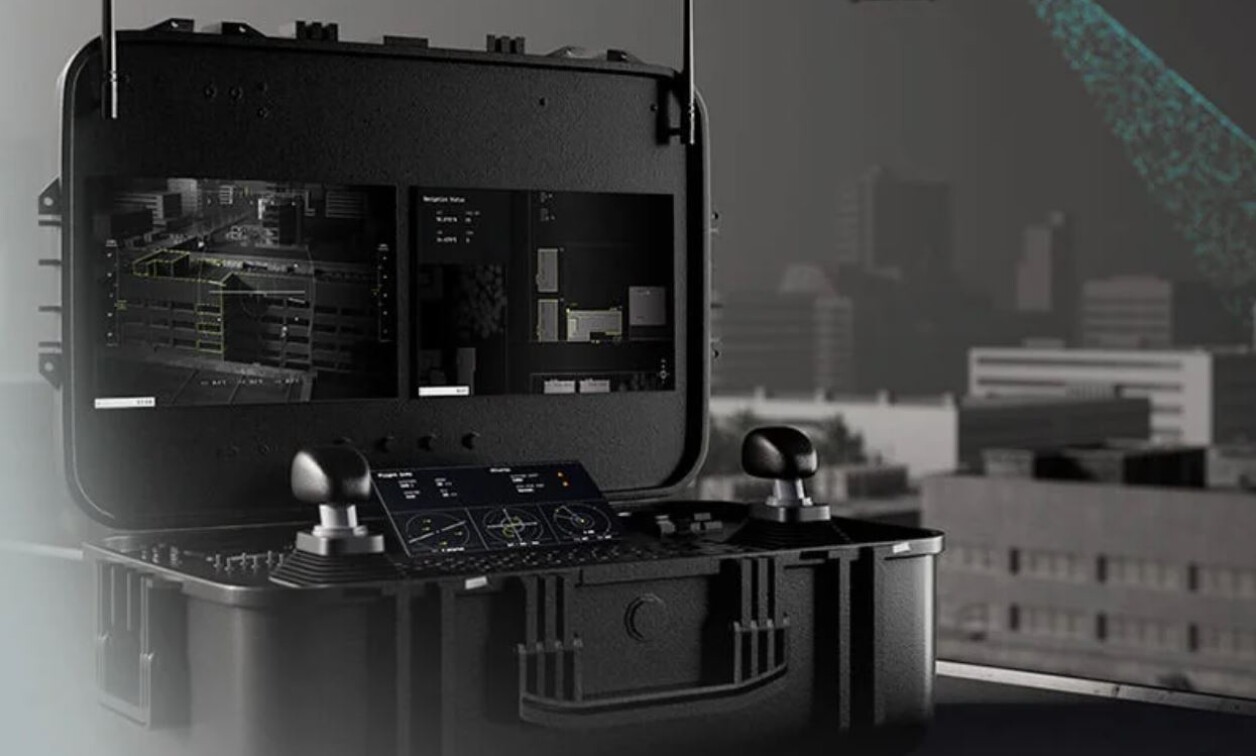
ESPOO, Finland. Software provider Qt Group reports that it launched a new version of the Qt Framework -- called Qt for MOSA -- that has completed the Future Airborne Capability Environment, or FACE, certification process, saying that under the new framework, user interface (UI) applications for defense ground and air vehicle programs can benefit from the same advanced functionality and cost efficiencies that Qt enables for cross-platform UI development in other industries.
The FACE Conformant framework -- built on a modified version of Qt -- provides an abstraction above the FACE operating system segment, which only provides a limited set of low-level system and graphics calls. This functionality makes it easier for defense contractors to rapidly build screen-reliant software for uncrewed aerial systems (UASs), sensors, radars, and the like. The framework is targeted in particular at devices that do not have safety requirements, but which do require complex and powerful display capabilities. The conformance package provides both the code and an example application demonstrating how Qt applications can be created.
The Qt Framework is already used in defense UI capabilities where FACE Conformance has not been required, including devices such as radar, electro-optical and infrared sensors, electronic warfare, UAS control, and vehicle instrument clusters. With the addition of FACE conformance, say company officials, the Qt Framework can now be used to develop component applications that integrate into complex composite systems including armored vehicles and airborne surveillance sensor suites.
“When you look at the type of UIs we can normally create, there’s so much in the Qt Framework to work with to create more advanced UIs that aren’t just avionics-specific,” says Ben Minichino, Business Development Director, Aerospace and Defense, Qt Group. “Think of displays for things like camera sensors, radar sensors to view weather conditions or search for other aircraft, or control of drones and weapon systems – or UIs that bring all those and mission systems together. We want to give system builders and integrators a level of flexibility they’ve never seen in these displays.”