Digital twins: fostering efficient network modernization
StoryJuly 31, 2025

Yun Zhou
Tyto Athene
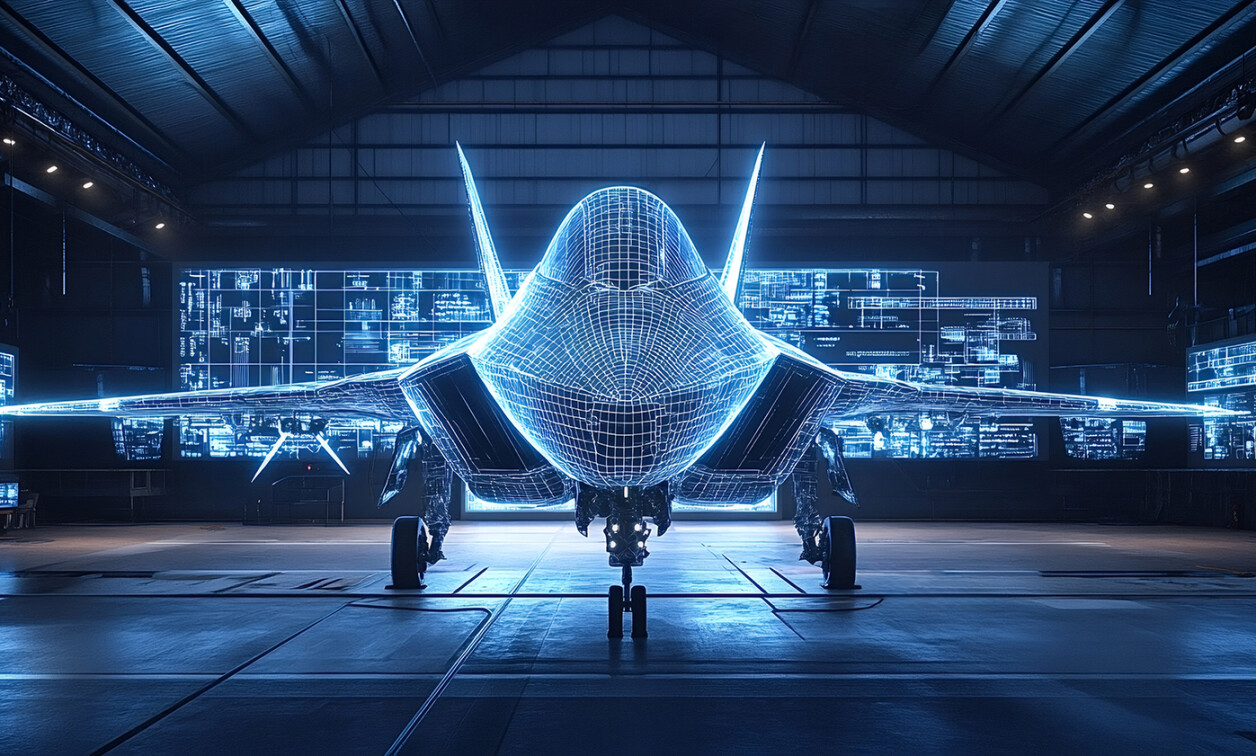
Digital twins can bridge the gap between physical systems and digital intelligence and enable the U.S. Department of Defense (DoD) to deploy artificial intelligence (AI) tools effectively, accelerate modernization, and deploy next-generation network capabilities more efficiently and applications such as CJADC2.
The U.S. Department of Defense (DoD) strategic edge against adversarial threats hinges on the ability to modernize its network infrastructure – ensuring system resiliency, reliability, and readiness that advances the national security mission.
To efficiently manage and modernize these complex networks amid data-transport challenges, siloed departments, and limited joint interoperability for concepts like the Combined Joint All-Domain Command and Control (CJADC2) approach, defense agencies must fully embrace digital twin technology to achieve real-time understanding, coordination, and adaptability.
A digital twin is a virtual representation of a physical object, process, or environment that mirrors its real-world counterpart to predict future behavior. These models are powered by real-time data inputs and can replicate real network properties to enable a holistic view of connectivity across an organization.
Without this technology, agencies face several potential challenges: Network changes can’t be safely tested prior to deployment, forcing teams to perform directly on live networks where unexpected edge cases may arise. Trial and error often create nonstandard configurations on live networks, which hinders automation. Moreover, without an accurate model of the network, it’s difficult to predict how failures may cause traffic congestion or isolation, which reduces overall resilience and mission agility.
This is why digital twin technology has been top of mind for government. In February 2023, the U.S. Government Accountability Office (GAO) released a report exploring the new tech and detailing how agencies can best leverage this approach. In 2024, The White House Office of Science and Technology Policy released a request for information to develop a National Digital Twins Strategic Plan.
This technology can empower network modernization across the DoD landscape by lowering operational costs, reducing mission-critical risks, and improving cyber resiliency for the nation’s most sensitive infrastructures. With a need for innovation and forward-thinking solutions to face adversarial threats, digital twin technology must be adopted as the driving force behind DoD’s network modernization journey.
Hardening network performance and security
Digital twins enable smarter, faster ways to design, test, deploy, and secure critical defense network systems. Traditional laboratory networks are often limited in scope and fidelity, failing to replicate the scale and complexity of live DoD networks.
In contrast, digital twins can accurately model and adjust to varying operational scenarios, such as battlefield dynamics, terrain impacts or maritime conditions – enabling the safe simulation and emulation of configuration changes and upgrades without affecting the live network.
Defense agencies can use digital twins to simulate potential disruptions, conduct vulnerability analyses, design resilient paths, compare architectural designs and enable network visualization.
For example, the U.S. Air Force recently used digital twins to evaluate commercial network services, resulting in 100-275% resiliency improvements and 100-400% performance enhancements.
Utilizing digital twin technology, the department was able to model use cases for emergency high-volume traffic scenarios and conduct path analysis on where traffic may be isolated or severely limited due to a commercial outage. The Air Force also modeled how and where additional commercial network services could resolve key resilience and performance issues.
Maritime agencies can simulate the performance of on-board networks for ships, submarines, and other military vessels under different navigating conditions, ensuring network designs meet performance standards before any physical construction begins. This approach reduces maintenance costs, improves equipment utilization, and optimizes design and capacity planning.
Digital twins also offer a powerful security advantage, helping organizations strengthen cyber defenses while minimizing risk to live systems. By enabling threat modeling and attack simulations, such as ransomware outbreaks, denial of service attacks, or lateral movement within the network, IT teams can proactively identify vulnerabilities and exposure points before attackers exploit them. (Figure 1.)
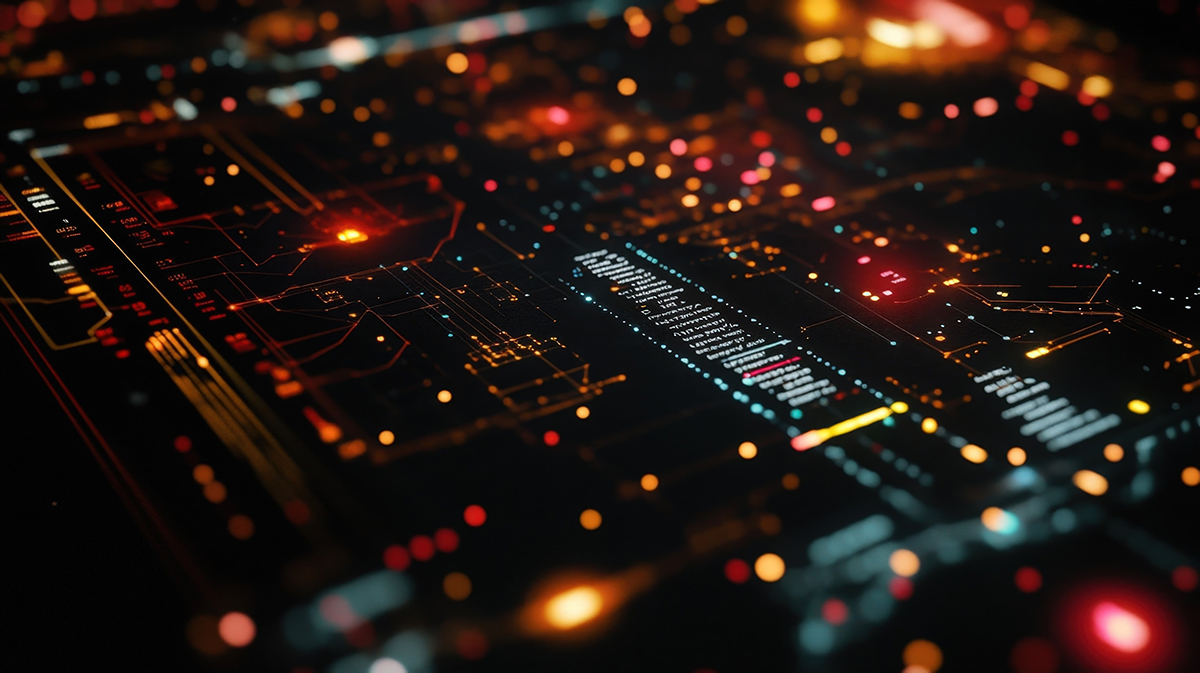
[Figure 1 ǀ Defense agencies can use digital twins to simulate and analyze potential designs before any physical construction begins. Stock image.]
The technology allows for safe validation of security policies – including firewalls, access-control lists, and segmentation rules – which are critical for zero-trust architectures. It can also ensure identity-based access controls function correctly across diverse users, devices, and workloads within the defense ecosystem.
By providing insight into an agency’s network security posture, digital twins empower security teams to prioritize mitigation actions based on simulated risk scenarios to stay ahead of the evolving threat landscape.
Driving AI and network innovation at scale
As artificial intelligence (AI) grows more powerful – driven by new frameworks and specialized chips running larger, more advanced models – the DoD is accelerating responsible AI adoption at scale for advanced decision-making support.
It’s important to understand that digital twins are not just a support tool – they are a strategic enabler for innovation, playing a vital role in preparing defense networks and infrastructures for AI integration. Serving as a precursor to AI usage, the technology provides a detailed, real-time view of the network that AI systems need to make accurate predictions and optimizations. The data fidelity provided by digital twins is critical for feeding AI models, especially in the areas of network management, predictive maintenance, and resource allocation.
AI-powered digital twin environments can also simulate how DoD networks perform across joint platforms, including airplanes, ships, ground vehicles, satellites, and IoT infrastructure, helping to ensure that every system is connected, responsive, and mission-ready, regardless of location.
The U.S. Navy is exploring the use of digital twins to test local area networks (LANs) that use wireless and satellite communication systems to reduce foreign object damage to aircraft engines, highlighting how AI-enhanced digital twin environments can prevent mission-critical failures, optimize designs, and strengthen readiness.
Bridging the gap between physical systems and digital intelligence, digital twins give the DoD the ability to deploy AI effectively, accelerate modernization, and deploy next-gen network capabilities – including applications like its Combined Joint All-Domain Command and Control (CJADC2) approach – more efficiently.
Going forward with digital twins
Resilient and adaptive networks are mission-critical for the current state of the defense realm, and digital twins have emerged as a key enabler for the DoD’s next-generation network strategy. The next step is helping government and defense teams adopt this technology to enable modernization without disruption.
Adopting digital twins requires an accurate end-to-end depiction of what the environment looks like. Strategic industry partnerships can help defense agencies standardize networks across the enterprise by integrating configuration and discovery data from disparate systems – enabling a continuously updated, unified model for the end-to-end environment.
As data is aggregated, industry partners can support the implementation of automated cross-domain solutions to ensure the respective data is stored on systems designed for the proper classification level.
Industry must work closely with defense agencies across siloed departments to gain a holistic picture of the operational environment. By assessing each department’s specific requirements, pain points, and insight into how digital twins can address those issues, this technology enables departments to maintain control over its systems through role-based access. Even siloed departments can often be persuaded to share data and system access needed to build an accurate digital twin.
When integrated with model-based systems engineering (MBSE), NetDevOps, zero-trust architectures, and defensive cyber operations, digital twins can lay out a unified, comprehensive environment for real-time simulating, monitoring, and securing of sensitive defense systems.
Digital twin technology will stand at the heart of DoD’s network-modernization journey; as AI capabilities expand, the role of digital twins will only grow in importance – serving as the foundation for data-driven decisions and enhanced mission success across the defense enterprise.
Yun Zhou is a seasoned software engineer at Tyto Athene with over 12 years of experience specializing in automation, NetDevOps, and SecDevOps. She has led technical efforts in government-enabled software-defined networking (SDN) infrastructures, including analysis of alternatives and theoretical design studies that advanced network-capability maturity. As a technical lead and subject-matter expert, Yun designed, developed, and deployed SDN services for DISA [Defense Information Systems Agency] across the DoDIN [Department of Defense Information Network]. She also spearheaded NetDevOps initiatives, implementing global orchestration and continuous integration/continuous deliver (CI/CD) pipelines to automate configuration management, quality control, and system deployments. Readers may reach Tyto Athene at [email protected].
Tyto Athene https://gotyto.com/