VPX, VNX standards-based products gaining traction in Europe
StoryJune 18, 2026

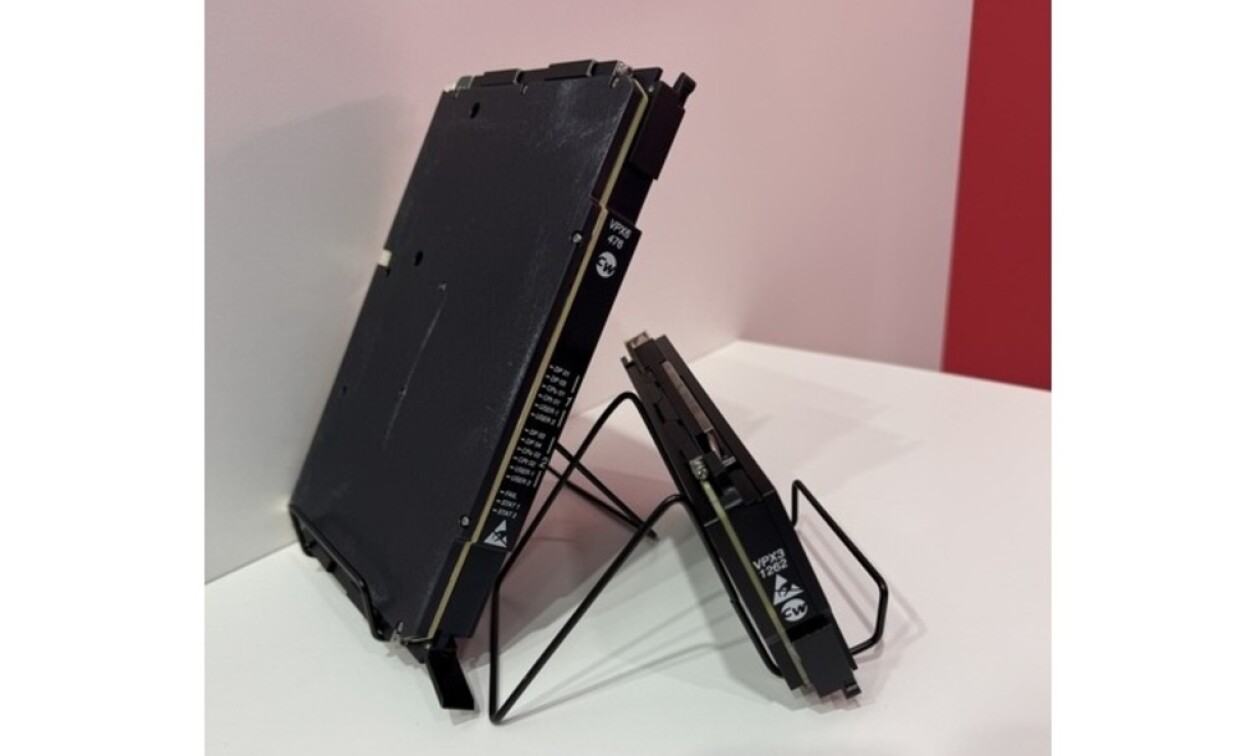
VPX-based solutions have been deployed in signal-processing-intensive military applications like radar and electronic warfare (EW) for more than a decade, but the adoption of the VITA standard has been slow in Europe. Meanwhile, the more recently ratified small-form-factor VNX standard is already getting interest from European military system designers.
European adoption of VPX is becoming more common, especially as it is tied now to the Sensor Open systems Architecture, or SOSA, Technical Standard, which being embraced by the U.S. military, said Matthew McAlonis, Global leader of Engineering -- Aerospace Defense & Marine Integrated Systems Group, TE Connectivity, which makes connectors essential to VPX products.
European countries also buy U.S. platforms such as fighter jets from the U.S. as a Foreign Military Sale (FMS) transaction. Many of the systems on these platforms leverage VPX technology, so those countries that purchase these platforms will have to adopt VPX, McAlonis added.
Eurosatory exhibitors from Curtiss-Wright Defense Solutions also see more growth for VPX.
“There's definitely a demand for VPX, one hundred percent,” says Karl Richelmann, Lead Solutions Architect with Curtiss-Wright Defense Solutions. “Most of my time is spent on Europe and India, and the majority of my focus, the majority of my attention is on VPX solutions.”
The U.S. puts a lot of money into defense and industry follows the dollars, adds Richelmann’s colleague Jason DeChiaro, Solutions Architect and Technical Fellow with Curtiss-Wright Defense Solutions. As the U.S. Department of Defense (DoD) moves to adopt VPX solutions through open standards like SOSA and CMOSS [C5ISR/EW Modula Open Suite of Standards] the technology becomes available for anybody to take advantage of, he says.
VPX also has strong environmental features including shock and vibration resistance and is military-ready, DeChiaro continues. Then, because it's compliant with open standards, it “reduces risk for everybody that wants to use it.”
While VPX is more expensive compared with commercial solutions, it brings a lot of value that makes the expense worth it: “As more industry partners start making VPX cards for more applications, the EU sees that as not as expensive anymore,” he explains. “You have to remember that it's not just the cost of acquisition, it's the cost of maintenance and logistics.
“One of the big powerful things about the SOSA [Technical Standard] is the ability to swap cards out in a standard backplane,” DeChiaro continues. “I could plug a card in today, and if that card fails, I could just say, 'Hey, I need a new card.' I don't have to be: 'Hey, I'm driving a Bradley, or I'm flying a helicopter. Oh, that's this box with this cable set.' The idea is I can swap these standard cards out and either change the mission or change something that's in failure. That makes logistics a lot easier closer to the front.”
VNX adoption
A more recently ratified VITA standard, VNX, is also finding a home in European military designs.
“With the recent ratification [of VNX] this year, we're seeing a lot more interest and people are really curious about what it can do,” says Austin Linquist, Director of Innovation at Wolf Advanced Technology. “They want to start testing them out soon.” (Figure 1.)
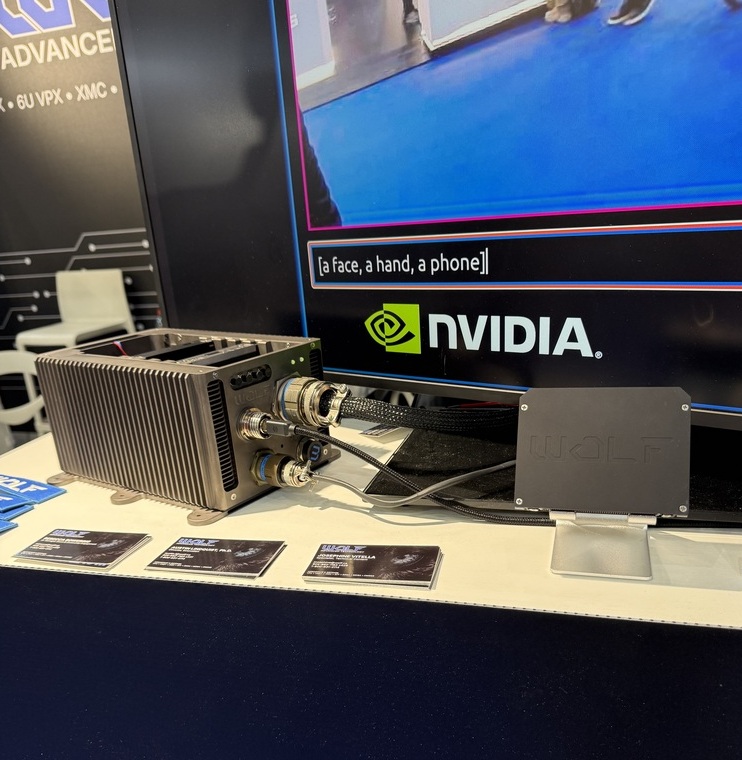
[Figure 1 ǀ Wolf is displaying its VNX+ solution at Eurosatory. (Author photo.)
Lindquist says the standard’s smaller form factor makes it attractive to designers. "There’s a lot of focus on reduced size, weight, and power (SWaP),” he notes.
It’s particularly suited for small drone applications, which are prevalent in Europe and at Eurosatory this week, Lindquist says. “VNX will be a fit for any application where there is limited space. Maybe they already have a full system, but they have a little extra stuff they want to add on top, so instead of having to redesign an entire compute unit and add more cards, and they can squeeze a little extra out by just adding some VNX features in a box.”