Digital-first design drives MOSA integration for FLRAA program, Bell Helicopter says
NewsAugust 25, 2025

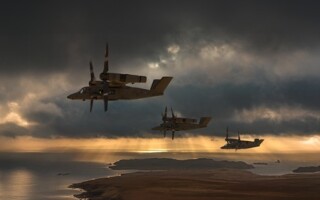
HUNTSVILLE, Alabama. The U.S. Army’s MV-75 Future Long Range Assault Aircraft (FLRAA) program is moving beyond conceptual adoption of a Modular Open Systems Approach (MOSA) to full-scale execution through digital engineering and model-based systems engineering (MBSE), Bell Helicopter said in a recent statement.
The program is using digital twins—virtual representations of the aircraft—to validate MOSA implementation and forecast integration challenges before physical prototypes are built, the statement reads. According to Bell, engineers evaluated more than 1,600 system attributes within MBSE models to ensure the design can accommodate upgrades such as new sensors, avionics, and communication systems without major redesign.
The company says FLRAA is among the Army’s first “digital-first” aircraft programs, combining MBSE with MOSA to streamline design decisions, reduce cost, and shorten timelines for technology insertion. This approach enables virtual testing of component interoperability, power and thermal loads, and network performance prior to hardware integration, helping mitigate risk and avoid schedule delays, the statement adds.
MOSA remains a Department of Defense mandate for major acquisition programs, intended to provide open interfaces that allow “plug-and-play” upgrades and prevent vendor lock-in. For FLRAA, the integration of MOSA within a digital architecture is expected to define standards for future vertical lift platforms, the statement reads.