U.S. Navy pushing predictive maintenance, data analytics to improve fleet readiness
NewsApril 20, 2026

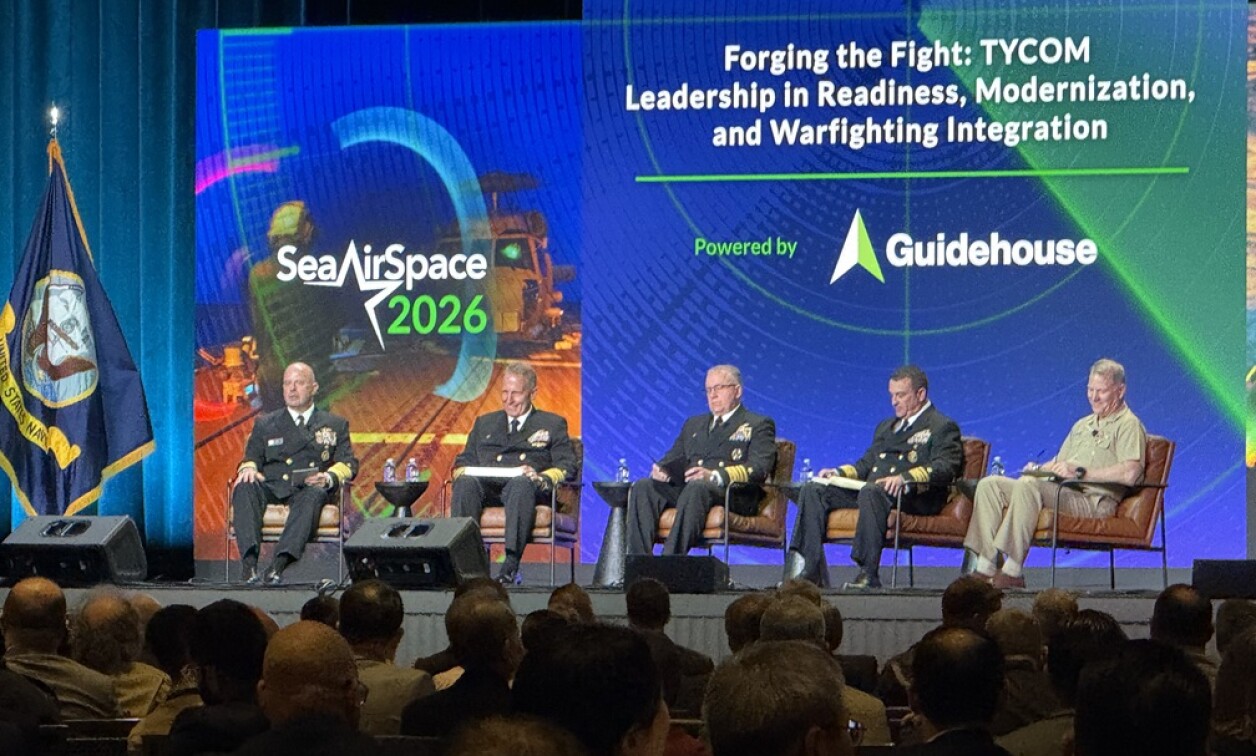
NATIONAL HARBOR, Maryland. The Navy is expanding its use of predictive maintenance and data analytics tools across both the submarine and surface fleets in an effort to improve readiness and reduce the time vessels spend out of service, two senior officers said at the Sea-Air-Space exposition here.
Vice Adm. Richard Seif, commander of Naval Submarine Forces, said his command has established a dedicated Submarine Maintenance Operations Center -- a around-the-clock watch floor focused exclusively on managing maintenance priorities, shifting resources, and resolving work stoppages across the submarine fleet.
"When there's a problem, when there's a stop-work, when there's a need to shift priorities or shift resources, I have a watch bill and a watch floor team that manages that for me," Seif said.
Seif said the command is also looking hard at lifecycle maintenance and predictive maintenance tools as a way to tune operating cycles and extend service life. He identified getting submarines out of the shipyard faster as the submarine force's most pressing readiness problem, noting that 17 submarines are currently in various stages of depot work -- well above the target of 10. Delivering two Virginia-class submarines per year on schedule, he said, is essential to closing that gap.
Rear Adm. Joseph Cahill, commander of Naval Surface Force Atlantic, described a parallel effort on the surface side built around readiness operations centers that provide continuous data visibility across personnel, material, and training metrics for every ship in the force.
"That data analytics gives me, as effectively an operational commander, a view into the warship -- how it shows data and rigor and density -- so that we can get combat potential to forward operating commanders," Cahill said.
Cahill said the surface force modeled its readiness operations center approach on the submarine force response plan, and that the data-driven framework has allowed his command to reduce variance in combat team performance across the fleet. The centers feed into a force generation model that tracks each ship's readiness across all three throttles -- personnel, material, and training -- giving leadership a real-time picture of which ships are ready to deploy and which need intervention.
Both officers spoke during a panel discussion on how the Navy's type commanders are working to reach an 80% combat surge ready rate across the fleet.