People, standards, and business models must drive MOSA transformation, Army official says
NewsAugust 28, 2025

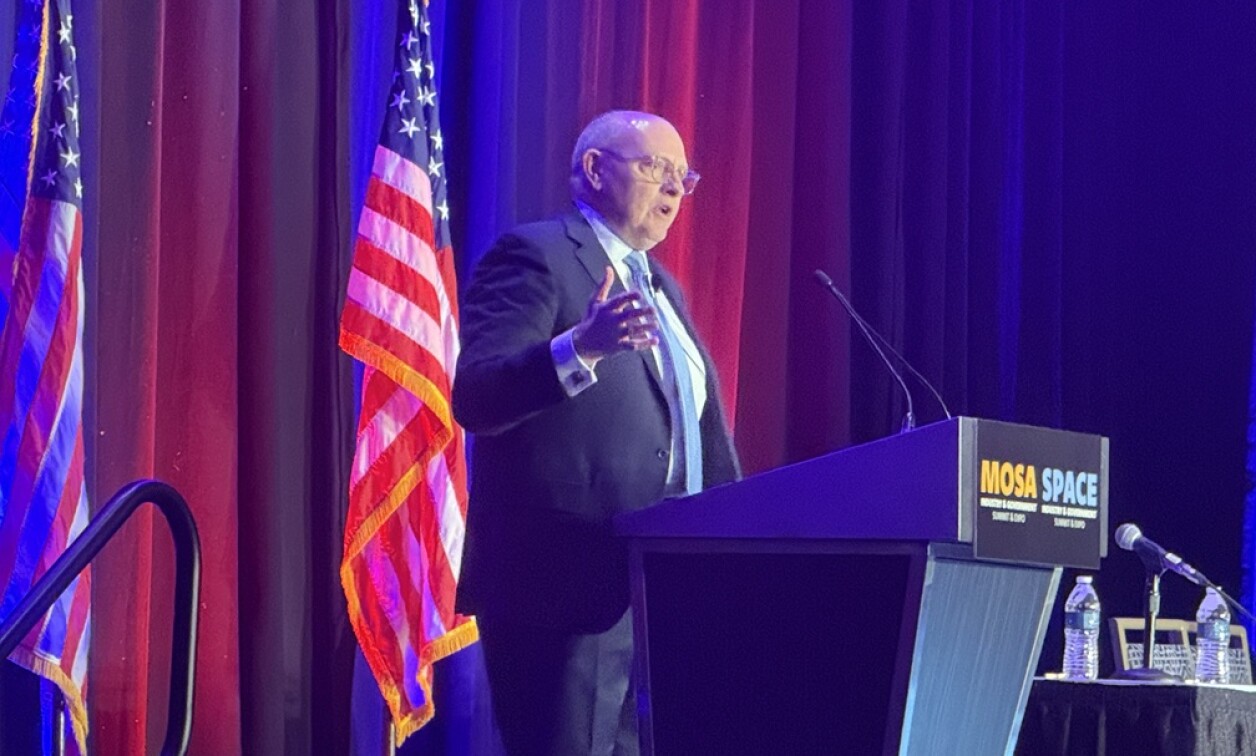
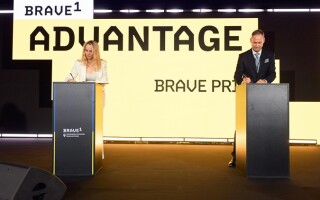
NATIONAL HARBOR, Maryland. The U.S. Army’s adoption of the Modular Open Systems Approach (MOSA) must be driven by empowered people, well-defined technical standards, and sustainable business models, said Patrick Mason, acting principal deputy for the Assistant Secretary of the Army (acquisition, logistics, and technology), during his presentation at the MOSA Summit here Thursday.
“It always starts with the right people within the organization that are empowered and enabled," he said. "The second thing is, what are the technical standards that we need to have in place … and then the third element of it is, it's got to be a sustainable business model.”
Mason pointed to new-start programs such as the Future Long Range Assault Aircraft and XM30 combat vehicle as examples where MOSA has been applied from the ground up. But he stressed that success also depends on integrating open architectures into legacy systems facing obsolescence. “They are highly coupled, highly coherent systems, and it is that coupling that makes it so difficult to try to evolve,” he said. “We need to move to loosely coupled, highly coherent systems.”
The challenge, Mason added, extends beyond engineering. Business models and acquisition strategies must incentivize industry to invest in open products while ensuring interoperability and cash flow.
While praising the Army’s progress over the past several years, Mason acknowledged that change requires time and cultural buy-in at all levels. “Unless you have the right cultural setting within the organization, none of that is going to succeed, except if you have a certain leader within the organization with an understanding of why this is important and the value proposition that is associated with doing this,” he said.
Mason closed by urging industry to continue collaborating with the Army on standards and evolving business practices.