Hydrogen fuel technologies: A strategic power-supply imperative for the military
StoryDecember 12, 2025

Rick Harlow
NovaSpark Energy
The U.S. military has always placed energy at the center of its operational strategy. From fueling mechanized divisions in World War II to supporting global power projection today, energy is the lifeblood of military operations. Yet the nature of warfare is changing: Adversaries target logistics, long supply lines create vulnerabilities, and the demand for distributed mobile power has never been higher. Hydrogen fuel technologies are emerging as one of the most promising solutions to these challenges. Once considered niche or experimental, hydrogen is increasingly viewed as a strategic enabler for military operations, not only as an alternative fuel but as a pathway to greater endurance, flexibility, and independence from fragile supply chains.
An exploration of the role of hydrogen in enhancing military capability reveals ongoing challenges and highlights the role of atmospheric hydrogen generation systems that are capable of producing fuel, power, and water on-site and on demand.
Military advantages
To the modern military, energy systems must do more than simply power equipment. They must also be able to enhance survivability, minimize logistics footprints, and enable long-duration, multi-domain operations. Hydrogen technologies address these demands.
To understand why militaries are investing in hydrogen, it is helpful to consider the capabilities it unlocks in operational contexts. Key advantages include:
1. Reducing the logistical burden
Fuel logistics are often the most dangerous and costly aspects of military operations. Convoys carrying diesel or JP-8 are frequent targets, and the cost of moving fuel into theater can reach hundreds of dollars per gallon once transportation and protection are factored in.
Hydrogen, particularly when generated locally through systems that extract moisture from the air, eliminates much of this burden. Atmospheric hydrogen generation platforms are designed to operate in remote or austere environments, producing hydrogen on-site without requiring deliveries of fuel or even water.
2. Lower-signature operations
Traditional fossil-fuel generators produce significant heat and acoustic signatures. In contested environments, these emissions can compromise stealth and expose units to targeting. Hydrogen fuel cells, by contrast, offer silent and low-thermal operation.
3. Multi-mission flexibility
Hydrogen technologies provide a multi-output solution: fuel for unmanned aerial, surface, or undersea systems; power for command posts, ISR sensors, or shelters; and water through atmospheric generation and purification.
4. Endurance for unmanned and remote systems
Hydrogen fuel cells can extend unmanned aerial vehicle (UAV) endurance from under two hours to six hours or more and enable multi-day missions for larger ISR platforms. Local generation ensures hydrogen availability even in austere environments.
5. Alignment with operational needs
The Department of Defense’s push for distributed operations, expeditionary basing, and resilient logistics makes hydrogen particularly relevant. Systems that provide multiple outputs while reducing supply-chain vulnerabilities directly support these operational priorities.
Beyond these, hydrogen offers environmental and strategic benefits, including reducing greenhouse gas emissions, aligning with national climate goals, and leveraging commercial-sector hydrogen innovation to support the military without incurring all development costs.
Technical and logistical challenges
While deploying hydrogen technologies in military operations offers significant benefits, it also presents a range of technical, logistical, and cultural challenges. Successfully integrating hydrogen into operational environments requires an assessment of the barriers.
Some of the key issues that must be addressed include:
- Storage and transport: Hydrogen must be compressed, liquefied, or chemically stored, each with trade-offs in weight, stability, or complexity.
- Refueling infrastructure: Military installations and expeditionary forces require ruggedized refueling and distribution systems.
- On-site production: Atmospheric hydrogen generation systems, which extract hydrogen from moisture in the air or treated water sources, address this by producing fuel where it is needed.
- Safety: Hydrogen requires robust leak detection, venting, and operator training.
- Cost and life cycle: Upfront costs are higher than traditional generators, but life cycle savings and reduced logistics burden can make the investment worthwhile.
Planning for and overcoming these technological and operational challenges will pave the way for hydrogen to become a reliable and transformative energy source. With continued innovation, investment, and deployment, the path toward hydrogen technologies is clear, and the opportunities are endless.
Hydrogen and supply-chain risk
Energy supply lines are prime targets for adversaries. Every convoy, fuel depot, and tanker represents a point of vulnerability. The military’s goal is to reduce this exposure by generating resources as close to the point of use as possible.
On-demand hydrogen generation is a powerful tool in this effort. By producing hydrogen fuel, electricity, and potable water from ambient air or locally available water, advanced systems allow deployed forces to operate without external supply lines. This not only enhances survivability but also provides commanders with greater operational flexibility.
Integrated power solutions
Modern expeditionary forces need compact, modular solutions. Systems that integrate hydrogen production, power generation, and water purification reduce complexity and improve resilience.
Atmospheric hydrogen generation platforms exemplify this approach by combining hydrogen production, continuous electric power, potable water generation, and compressed air outputs. These multi-utility platforms replace the need for separate generators, water convoys, and fuel deliveries. They are towable, airdroppable, and modular, making them suitable for expeditionary forces, forward bases, and disaster-response scenarios.
Military case studies and emerging programs
As hydrogen technology continues to grow, it’s important to note the recent case studies and emerging programs that highlight real-world progress. Examples of successful deployments and testing include:
- The Office of Naval Research (ONR) hydrogen tactical refueling point (H-TaRP): Demonstrated field hydrogen production through aluminum-water reactions for Marine Corps use.
- Army ZH2 fuel-cell vehicle prototype, in which hydrogen-powered truck illustrated silent mobility, extended range, and water-byproduct generation.
- National Guard demonstrations: Hydrogen-powered forklifts and backup systems were tested at Guard facilities to highlight installation resilience.
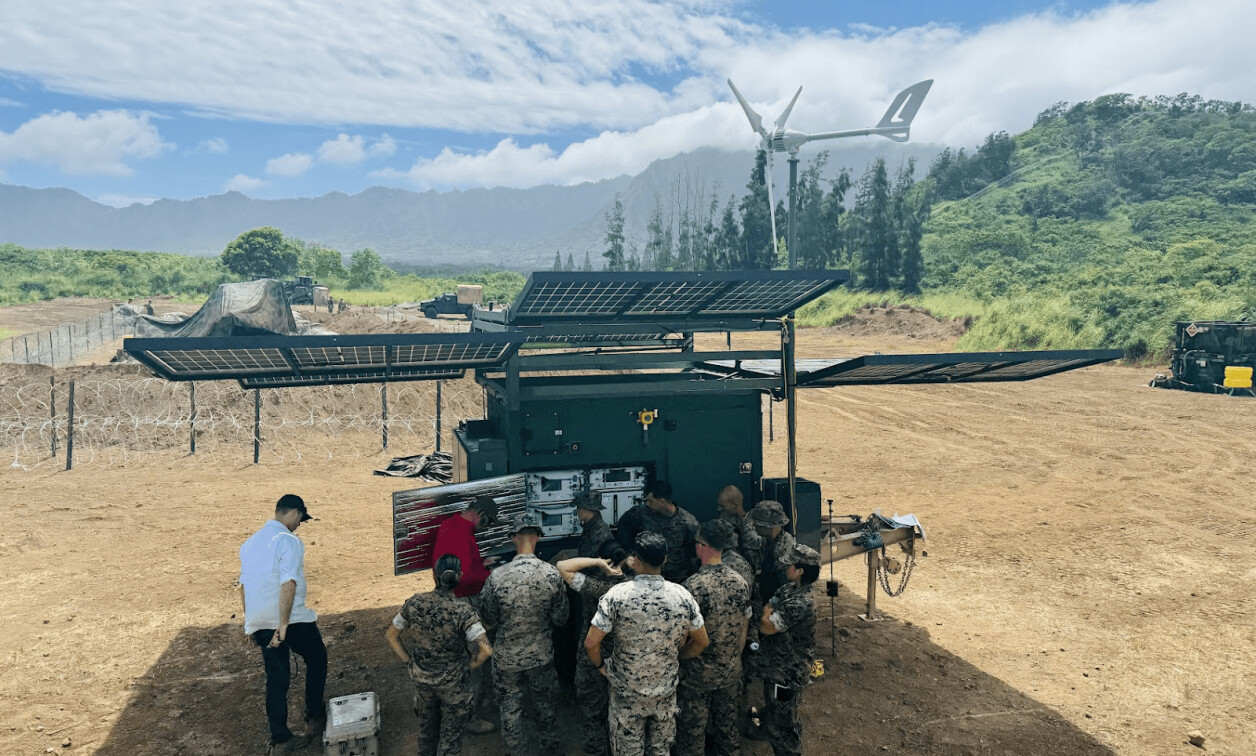
- Atmospheric hydrogen-generation systems in service trials: Recent demonstrations showed how on-demand generation can provide hydrogen, power, and potable water in a single deployable package.
These examples span different services, climates, and mission types (from disaster relief to reconnaissance), showcasing the growing confidence in hydrogen systems. (Figure 1.)
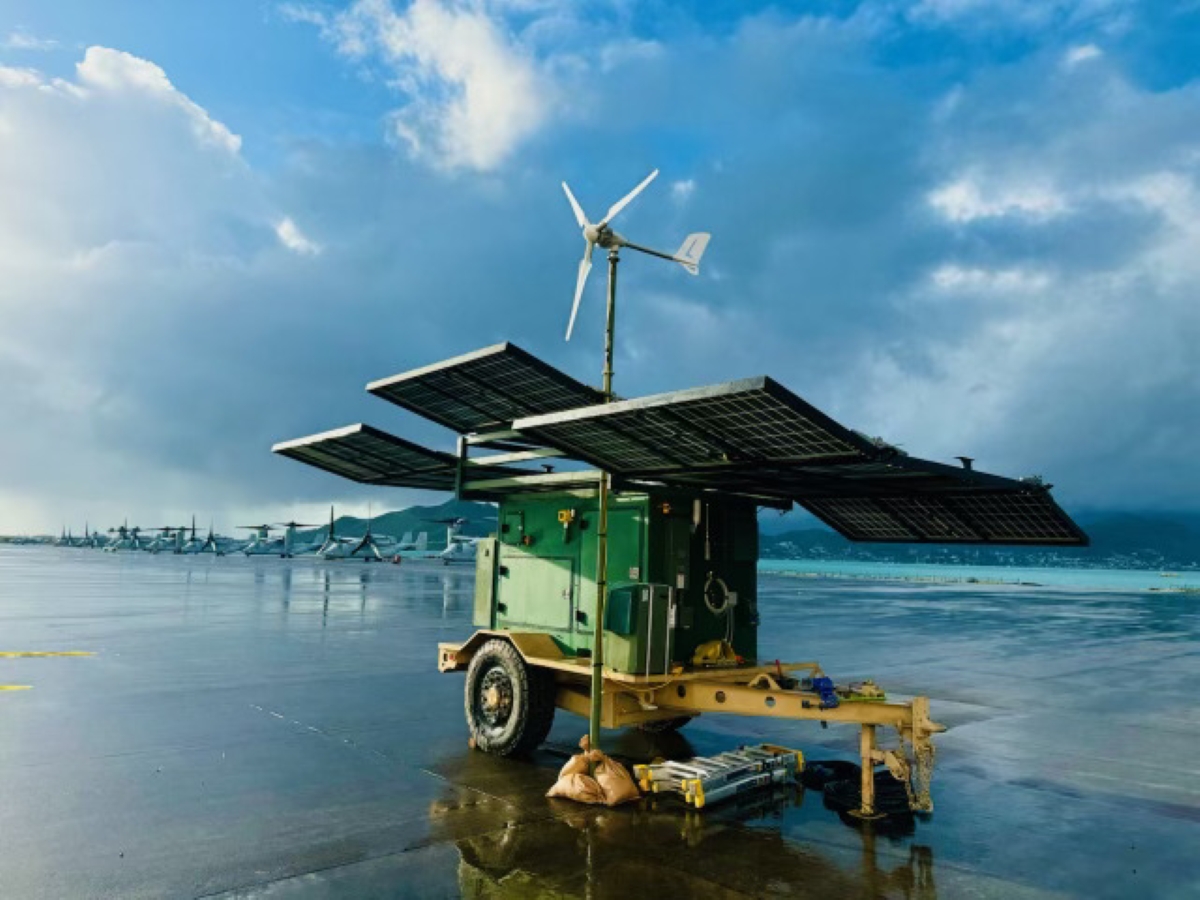
[Figure 1 ǀ The portable HyTEC [Hydrogen at the Tactical Edge of Contested logistics] hydrogen-fuel generator unit is demonstrated at the 2025 Pacific Operational Science & Technology conference Field Experimentation (POST FX). Photo Courtesy Novaspark Energy.]
They also highlight an important point: Hydrogen technologies are not just theoretical; they are now being tested and developed in real-world situations that mirror the complexities of modern military operations.
Path forward
Bridging the divide between promising demonstrations and widespread operational deployment will require extensive planning, collaboration, and investment. To expand hydrogen adoption, the military must:
- Scale prototyping: Broaden field trials in varied climates and mission sets.
- Develop portable infrastructure: Expand modular electrolyzers, refuelers, and distribution kits.
- Advance safety standards: Ensure ruggedized leak detection and training protocols.
- Integrate into acquisition programs: Move from demonstrations to formal programs of record.
- Leverage dual-use advances: Benefit from commercial hydrogen developments in aviation, logistics, and infrastructure.
- Embed in doctrine: Incorporate hydrogen logistics into war gaming and operational planning for distributed and contested operations.
If carefully implemented, these projects will lay the groundwork for hydrogen to become a significant component of the military's energy strategy.
Hydrogen fuel technologies are moving from the margins to the mainstream of military operations. They offer endurance for UAVs, silent power for forward bases, and independence from vulnerable convoys. Most importantly, they provide a pathway to resilient operations in contested environments.
By combining hydrogen production, power generation, and water purification in a single deployable package, atmospheric hydrogen-generation systems represent a new model for expeditionary sustainment.
NovaSpark Energy · https://www.novasparkenergy.com